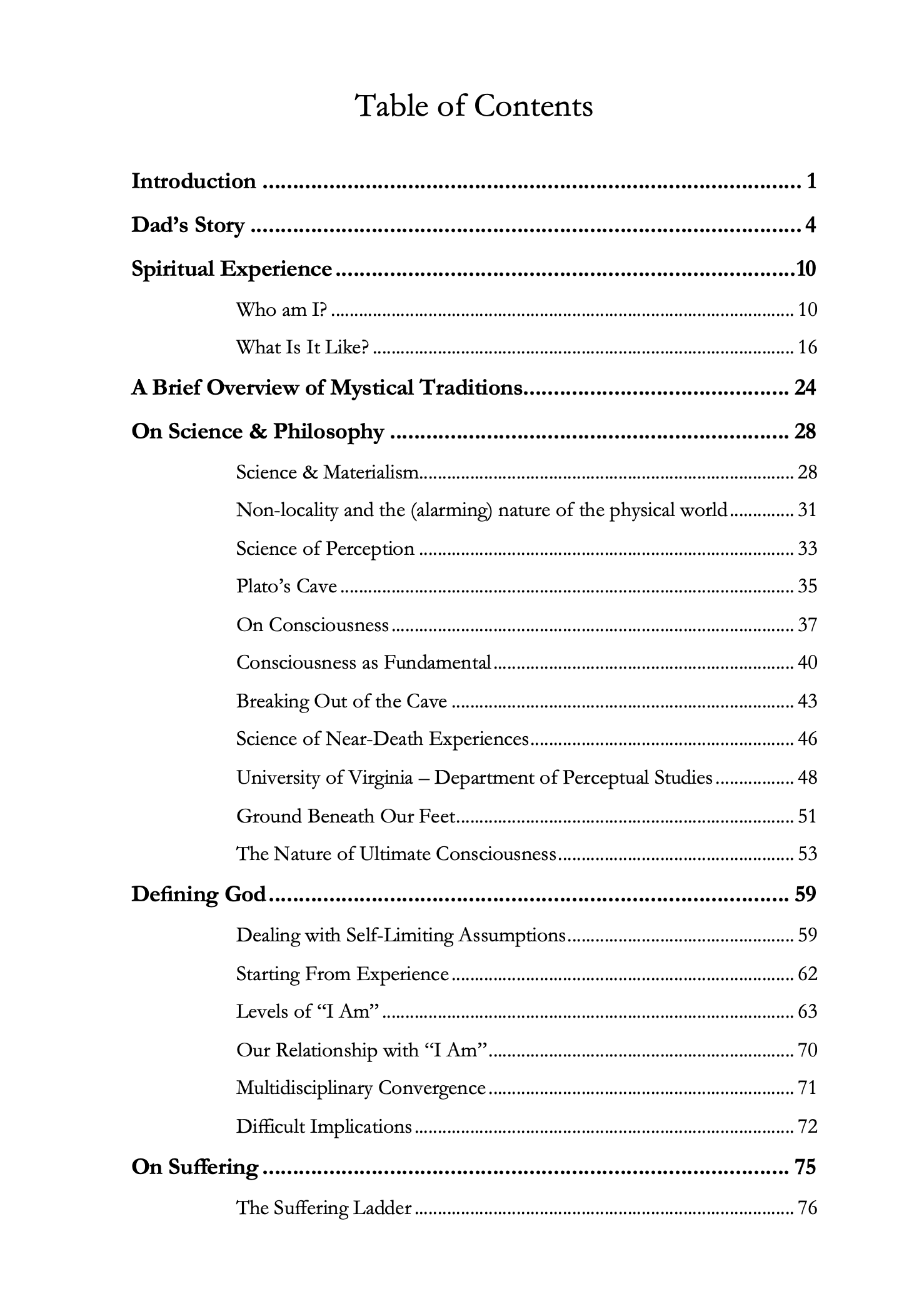
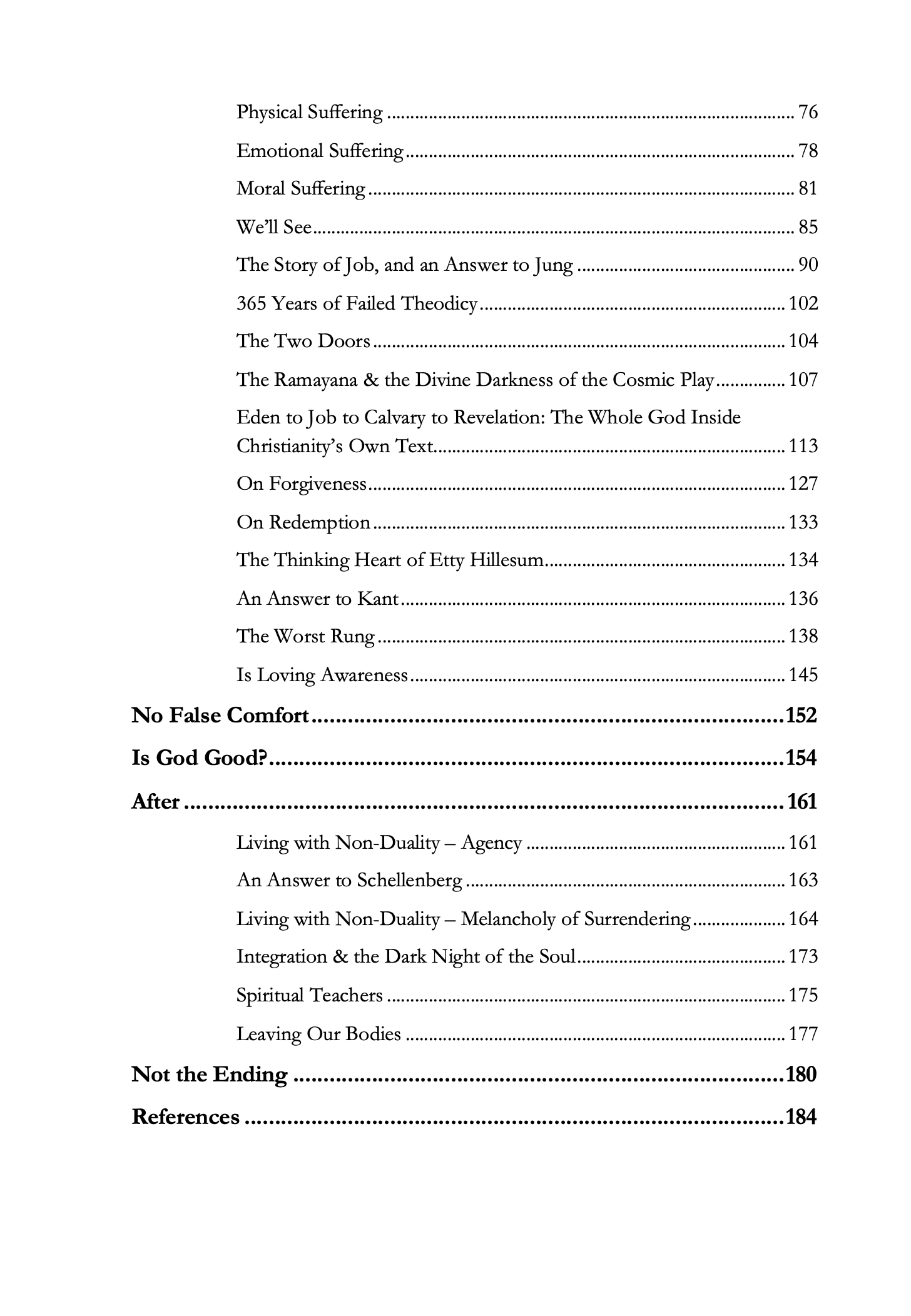
An excerpt from the subheading - The Two Doors
“There are only two doors, Zoe. And everyone ultimately chooses one of them.
The first door is where no one really must answer for suffering. Behind it are all the positions that make suffering easier to understand – either by taking a position where there is no one to confront, or by making sure the one who is there has an excuse.
The atheist stands here. Suffering is meaningless, random, and there is no Being to hold accountable. It is a clean position. The room behind this door is empty with no eyes to look into and demand why. And this position has a lot of friends – with an audience – who commend, promote, and reward people who say so. The agnostic, in their own way, has it the simplest. They can withhold judgment – a much easier position than choosing a side.
Most of Christian theology stands behind this more comfortable door too – and has for centuries. The God who gave us free will and is heartbroken by what we do with it. The God who stands with His hand on a lever that could end suffering at any moment but has Its own reasons for not pulling it. One whose ways are mysterious and His reasons we cannot fathom. These use the word God freely. But functionally, they land in the same place: no one is really answering for why our world is as it is. Today. With all its atrocities. And for theologians there is another unspoken rule here. It is to not ask too many questions.
Most philosopher standing behind their theodicies – philosophical explanations for why God allows suffering – keep the word 'God' but quietly empty their definition of it from everything the word is supposed to mean. Thus, they too arrive where they no longer need to stand in front of anything and demand a better response.
Every position you have just read about is behind the more comfortable door compared to the alternative. It is easier to stand in front of the place where no one is home, or if someone is, they are not required to pull the lever. That comfort is one that the seminary, the general scientific academy, and the philosopher's chair all reinforce in their own ways.”
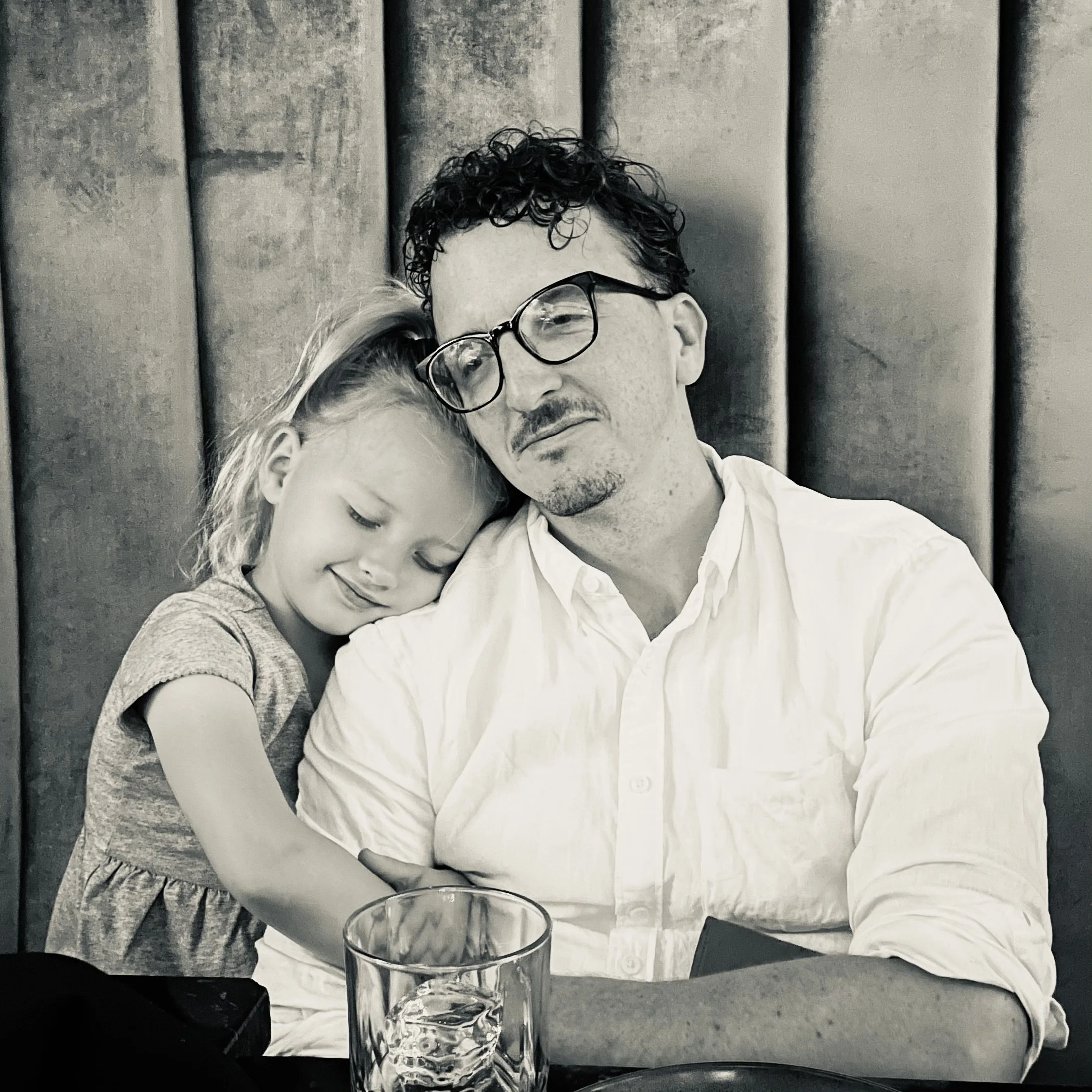
Len Wiens spent his career in consulting and then building technology companies before selling his 75-person tech firm and turning his full attention to a question that had been following him most of his life: what is God, and why are we so stuck in the West without a good answer for suffering?
That search didn't come from a classroom, a seminary, or a pulpit. It came from reading spiritual traditions across the East and West, and included direct experience — years of contemplative practice, psychedelic exploration, and a deepening encounter with both Christian and eastern mystics who kept saying the same thing in different languages. He read across neuroscience, physics, philosophy, and theology. He listened to Hindu and Buddhist contemplatives. He studied Jung's Aion and the Book of Job.
Along the way he noticed something else: the problem of suffering — western theology's oldest hard question — was now being picked up by philosophers and academics of consciousness — and they were leading us to the same dead ends. From Spinoza to Kant to Whitehead, we are left just as stranded as before.
The answer to suffering, he came to believe, had been sitting inside the Christian scriptures all along, hiding in plain sight — deserving only a transparent reading.
The territory his book occupies is: someone who takes the mystical traditions seriously, takes suffering seriously, takes scripture seriously, takes God seriously and refuses to let any of them off the hook. Most writers pick one of those and soften the others. Len holds all four of them in unflinching tension.
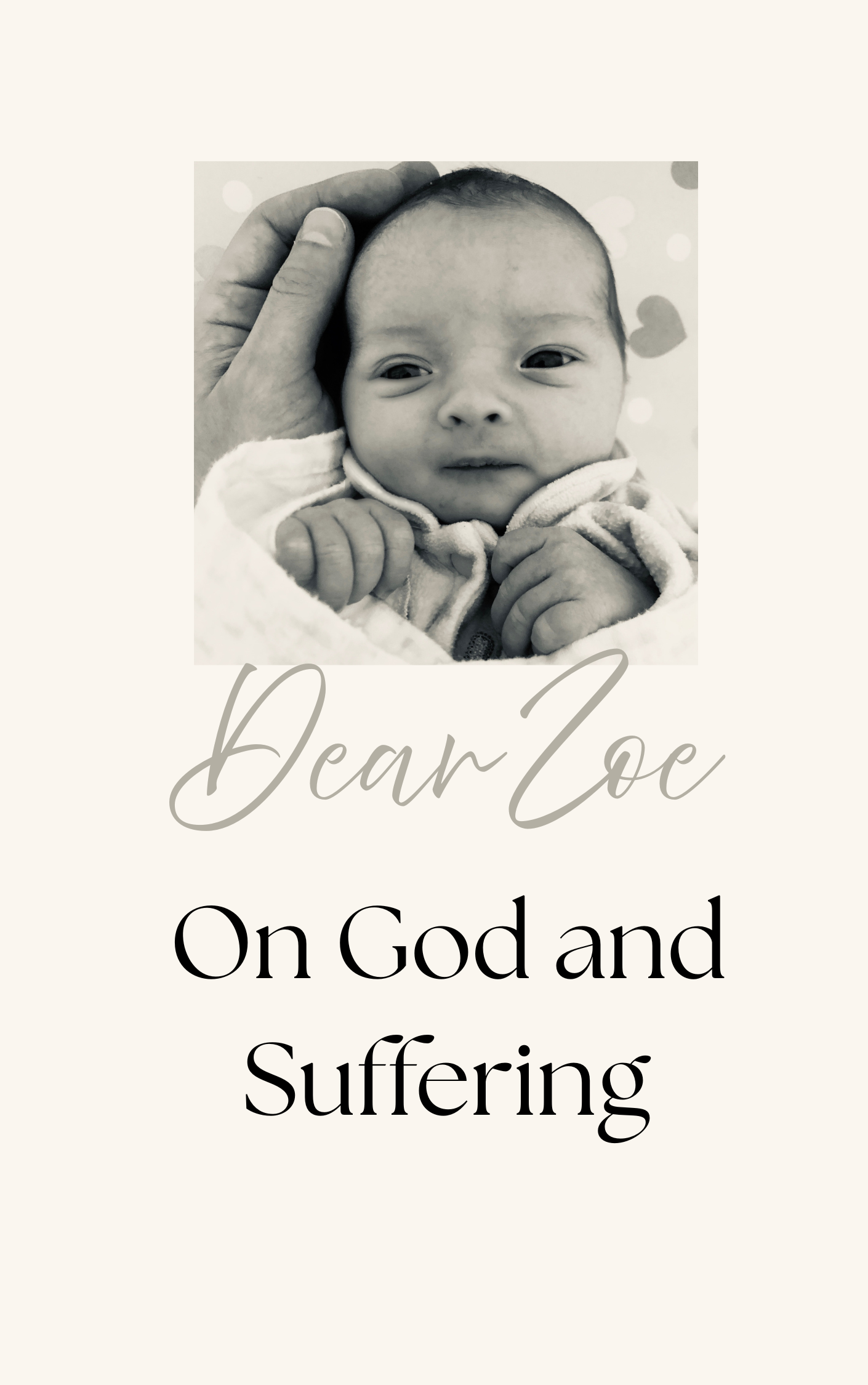
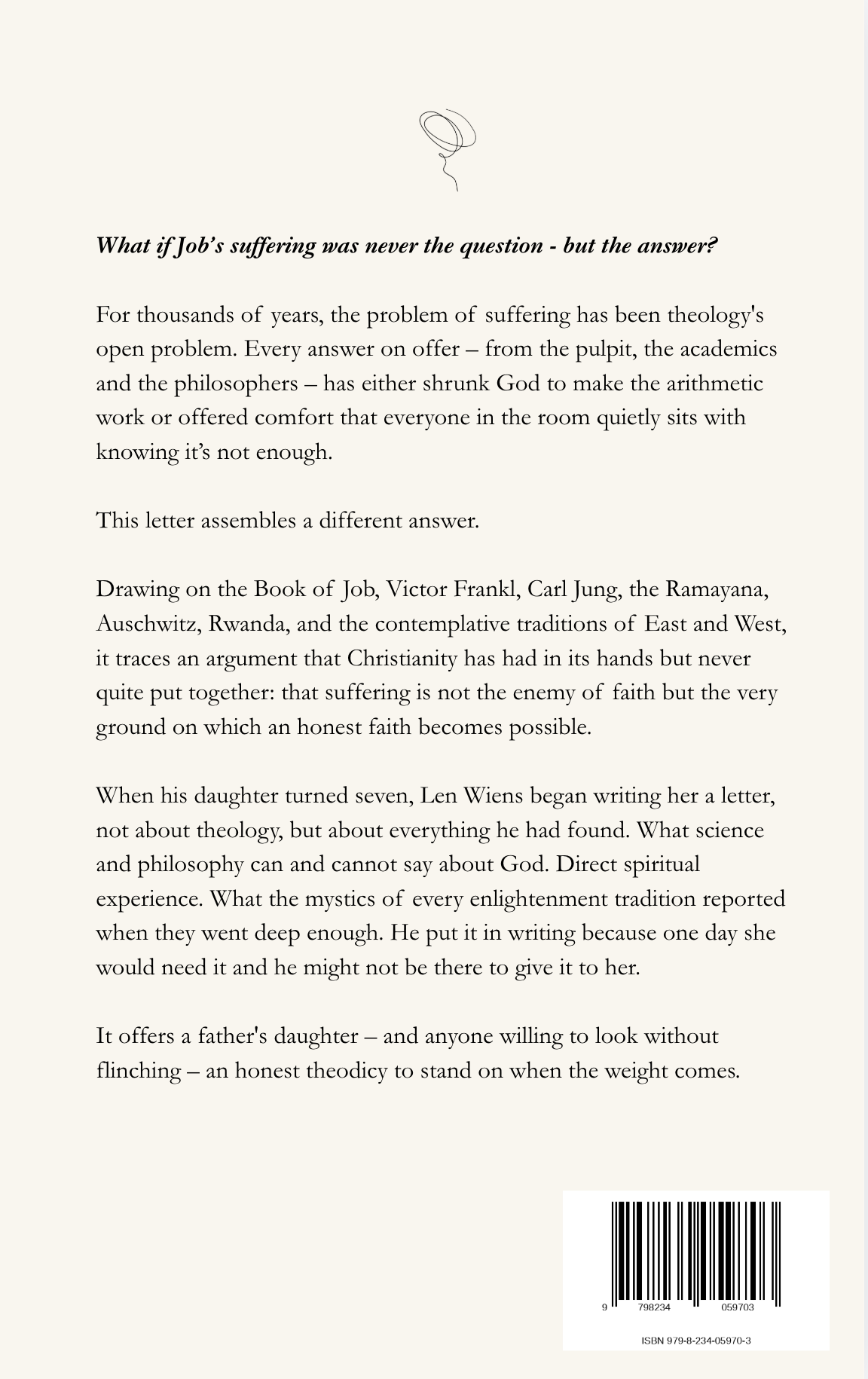
When his daughter Zoe turned seven, he started writing it all down for her. He wanted her to have everything he'd found in case he wasn't around to give it to her later himself. What started as a father's letter became Dear Zoe, On God and Suffering. Weaving a thread through the suffering of Job, the Hindu Ramayana, Carl Jung, Christ, the Bhagavad Gita, modern theodicy and the contemplative traditions of East and West — this letter assembles an answer.
He wrote it for Zoe. But the answer to why we suffer is for everyone.